From kitchen waste to feed and fertiliser
Walk through the HERI Black Soldier Fly Farm in Diani, stop by stop, and see how organic waste becomes something valuable.
Begin the tour ↓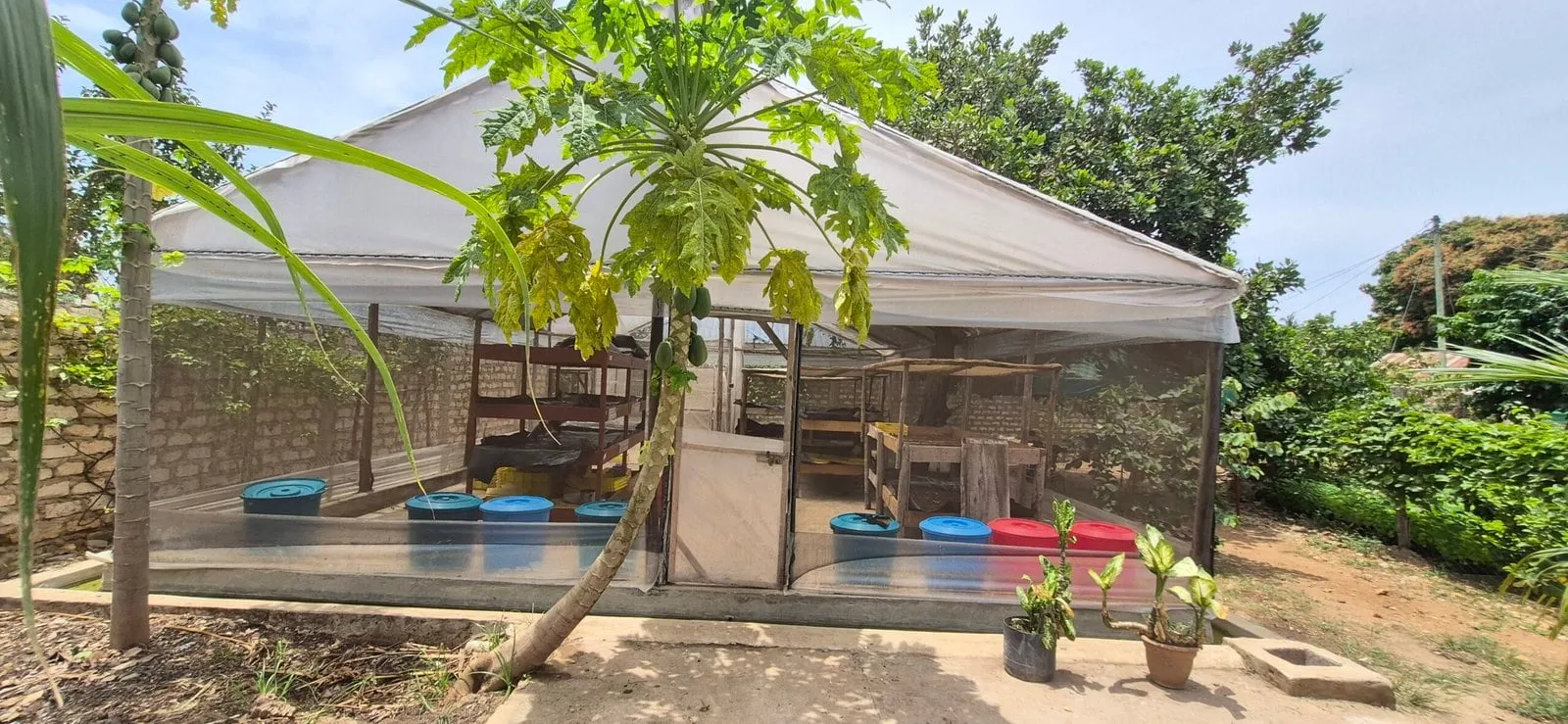
Welcome to the HERI BSF Farm
You are in Diani, one of Kenya’s busiest tourism and hospitality hubs. All those hotels, restaurants, markets and homes produce a lot of food waste — and most of it has nowhere good to go.
This farm is HERI’s answer: a working demonstration site, training hub and community resource centre where organic waste is turned into useful products. Let’s step inside.
- Live demonstration site
- Training hub for youth and women
- Open to visitors on weekdays and Saturdays
Stop 1 · Where the waste comes from
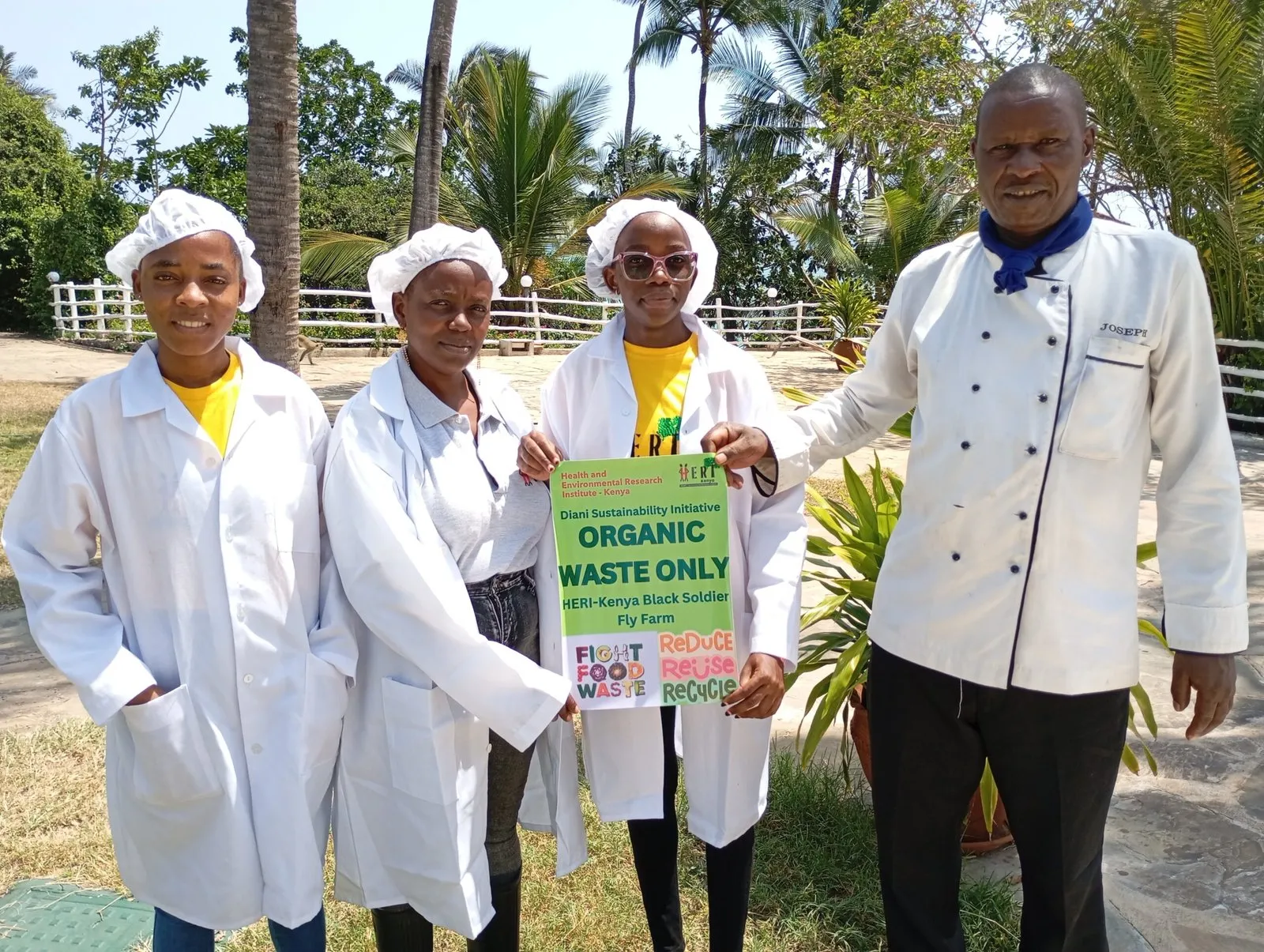
Partner hotels and businesses separate their food waste in the kitchen, using HERI “Organic waste only” bins. Clean, sorted waste is the single most important ingredient for the larvae.
Without this, the same waste would rot at dumpsites — attracting flies and rats, polluting water and releasing greenhouse gases.
- Organic waste is the largest share of solid waste in growing towns
- Sorting at source keeps plastics and glass out
- Hygiene and safe handling are taught at every step
- 1Eggsabout 4 days
- 2Larvaeabout 2 weeks of eating waste
- 3Prepupaestop eating and crawl out
- 4Pupaeabout 2 weeks
- 5Adult fliesabout 1 week — mate and lay eggs
Stop 2 · Meet the Black Soldier Fly
The Black Soldier Fly (Hermetia illucens) is not a pest. Adult flies do not eat, bite or sting — they live for about a week, simply to mate and lay eggs.
All the work happens in the larval stage. The larvae are hungry eaters of organic waste, and they grow fast. When they are ready to become flies they stop eating and crawl away to pupate, completing the cycle.
- Adults do not feed and are not known to spread disease
- Larvae feed for about two weeks
- One full cycle takes roughly six weeks
Stop 3 · Collecting the eggs
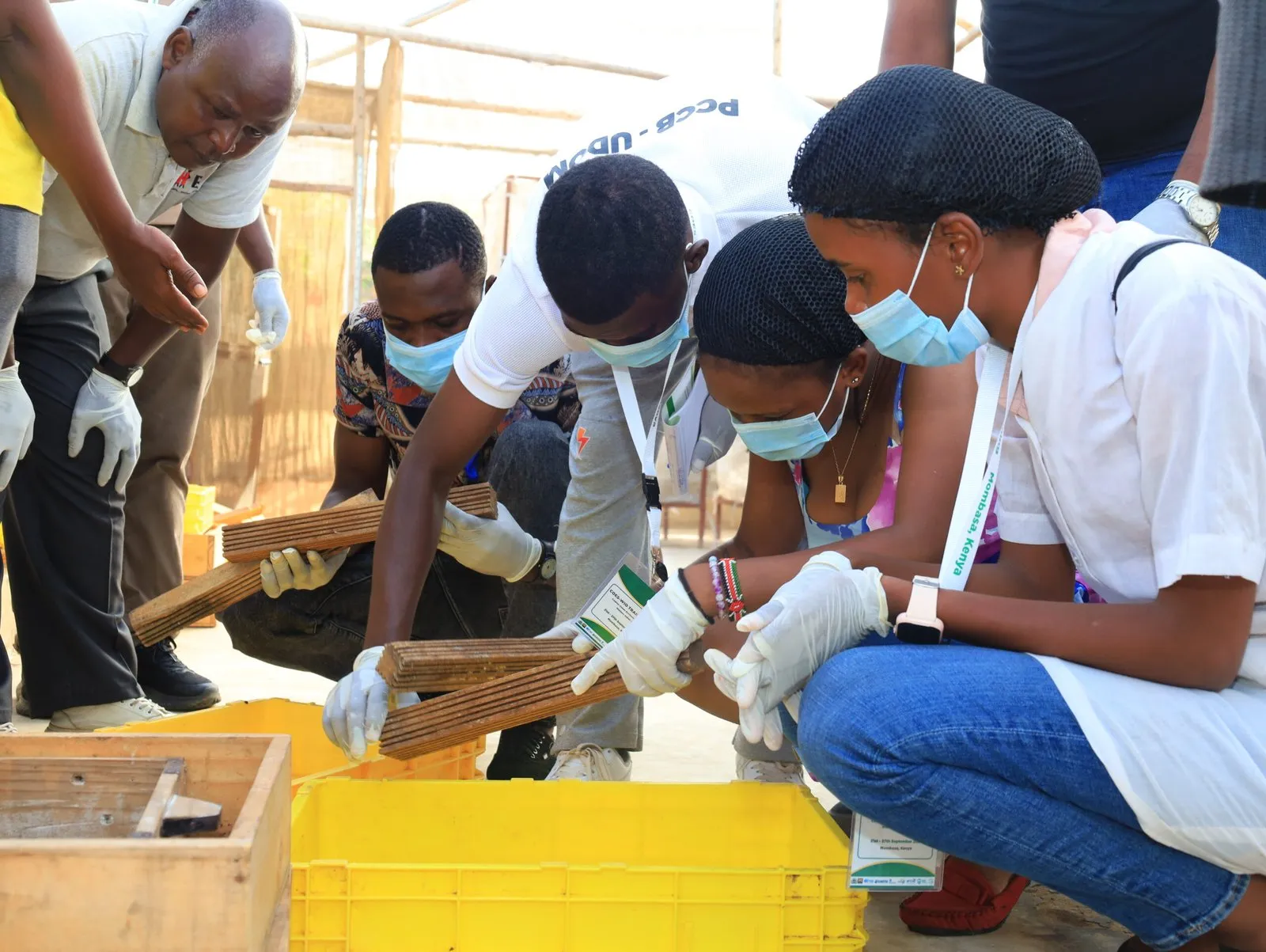
In the breeding area, adult flies lay their eggs in the narrow gaps between stacked wooden strips. Each strip can hold clusters of tiny eggs.
Our team and trainees carefully lift the strips, collect the eggs and move them to a nursery, where the young larvae hatch and get their first feed before going to the larvae beds.
- Wooden strips give flies a safe place to lay eggs
- Young larvae start in a nursery
- A hands-on skill taught to trainees and students
Stop 4 · The larvae beds
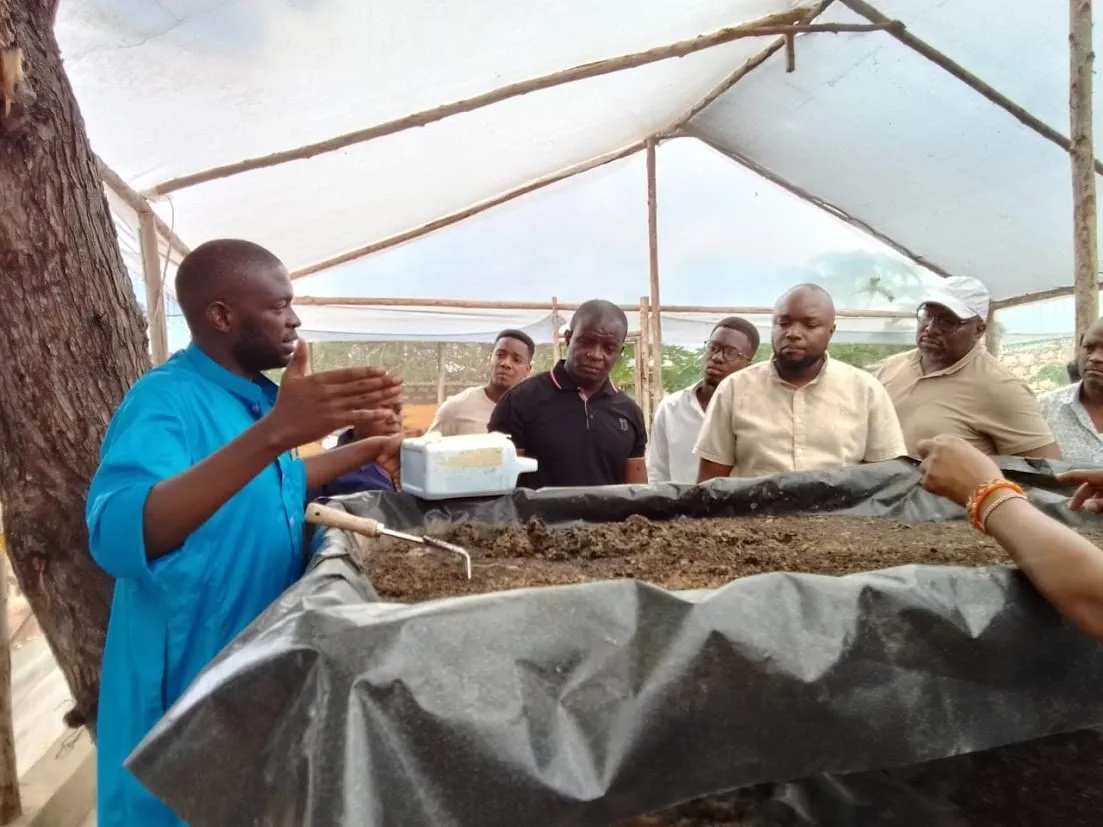
Sorted waste goes into these lined beds, where thousands of larvae get to work. They break the waste down quickly, cutting its volume within days.
Our team monitors the beds every day — moisture, temperature and how much waste is added — and records the data for our research.
- Waste is reduced within days, not months
- Low emissions compared with dumping
- Real-time data feeds HERI research
Stop 5 · Harvesting the larvae
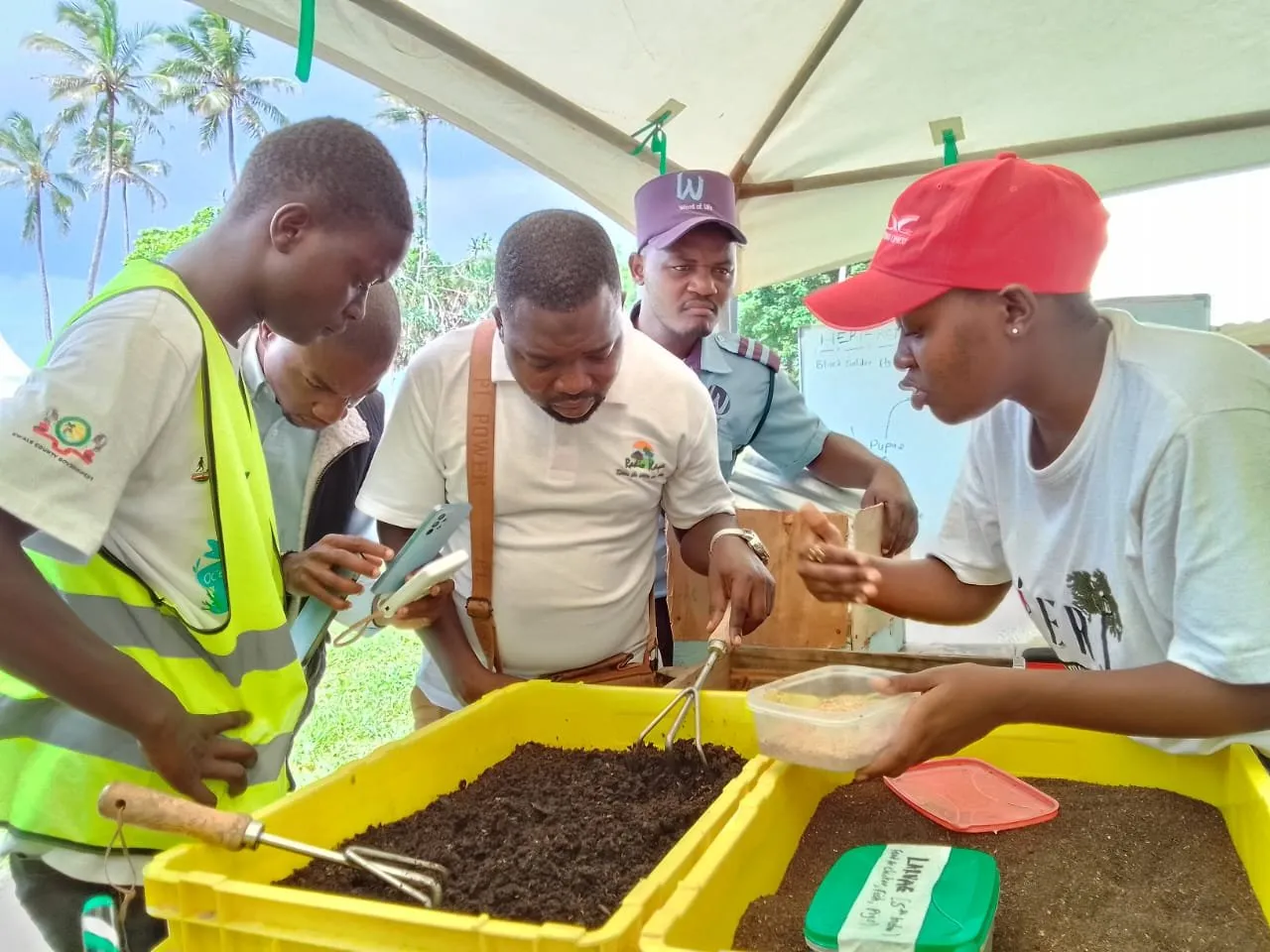
When the larvae are fully grown they are separated from what is left of the waste. Harvested larvae are packed with protein and fat.
They become feed for poultry, fish and pigs — a local alternative to costly imported feeds like fishmeal and soya.
- Protein-rich animal and aquaculture feed
- Cuts feed costs for local farmers
- Creates income opportunities
Stop 6 · Frass: organic fertiliser
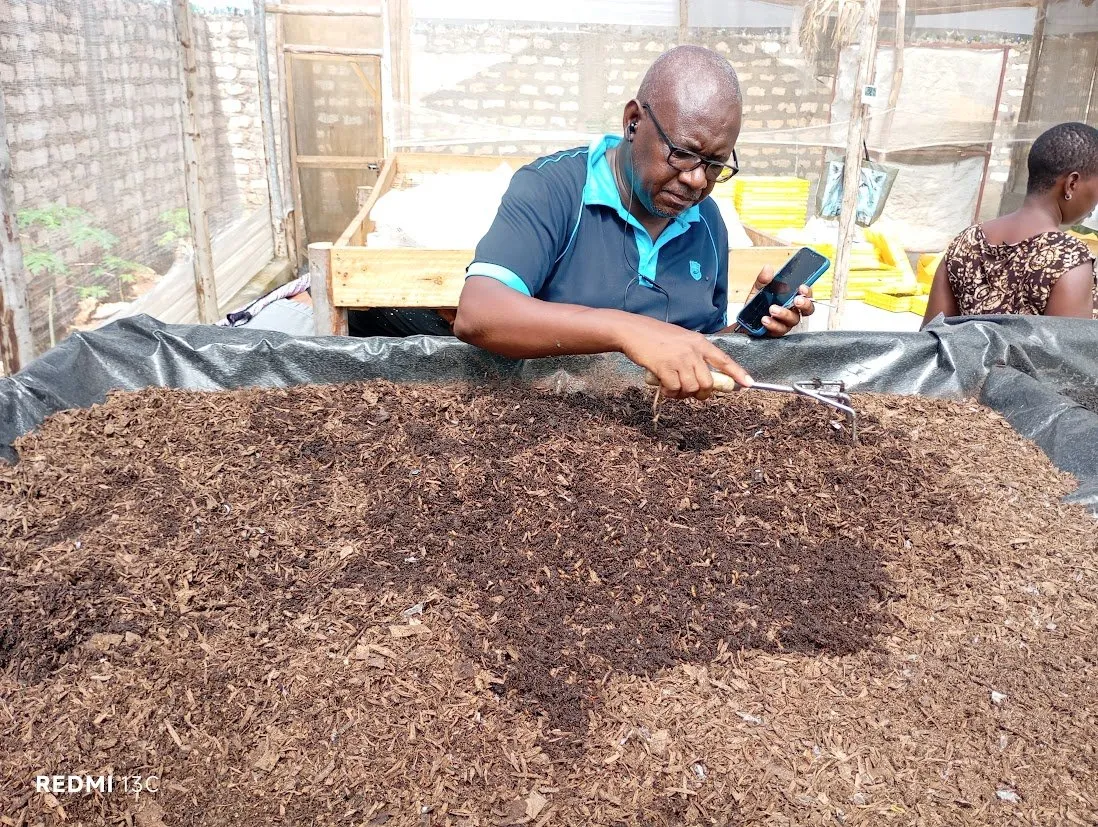
What the larvae leave behind is called frass — a dark, crumbly organic fertiliser. After curing, it is used to improve soil health in farms, gardens and landscaping.
Nothing is wasted: the food that would have polluted Diani returns to the soil.
- Improves soil structure and fertility
- Used in agriculture and landscaping
- Closes the nutrient loop
Stop 7 · The people behind the farm
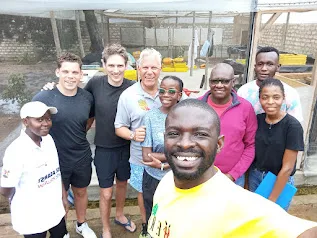
The farm runs on people: our farm team, youth and women trainees, students, researchers and visitors from around the world.
Here they learn skills they can take home — from setting up a small BSF unit to running a waste business. The model is designed to be copied in other towns and institutions.
- Community and institutional trainings
- Youth and women capacity building
- Applied research and field studies
Waste → feed, fertiliser, skills and healthier communities
Every visit and every gift helps us process more waste, train more people and bring this model to new towns.